
Kuljit Dharni brings over 30 years of product and technology leadership to Panopto, with deep expertise in transforming education through innovative technology solutions. As Chief Product Officer, he will leverage his proven track record of building and scaling Cloud/SaaS and AI-powered learning platforms that drive measurable business growth and improve educational outcomes.

Prior to joining Panopto, Mr. Dharni held senior executive roles at leading educational technology companies including Ellucian, McGraw-Hill, and Hawkes Learning, where he successfully launched enterprise-scale SaaS and AI solutions. He also co-founded a FinTech startup specializing in big data and machine learning applications. Throughout his career, Mr. Dharni has demonstrated exceptional ability to translate complex technical innovations into market-leading products for global audiences.
He holds an MBA from Babson College and a Bachelor’s degree in Computing Science from Staffordshire University in the UK.
Tell us about your company and the problem it solves, or its benefit to learners or educators.
Panopto is a video-based learning platform designed to help higher education institutions capture, manage, and make learning content more accessible, engaging, and effective at scale within the systems they already rely on.
What started as lecture capture has evolved into a broader challenge we’re solving today: how to make vast amounts of academic content truly usable and impactful for students and faculty. Institutions are producing more video and digital content than ever, but without strong search, organization, and meaningful ways to interact with that content, much of it goes underutilized and fails to drive learning outcomes.
Panopto addresses this by combining video with AI-driven search, transcription, and integrations directly into LMS platforms like Canvas and Blackboard. This allows students to quickly find specific moments within lectures and engage with material in a way that supports different learning styles, schedules, and needs.
Importantly, Panopto transforms video from a passive viewing experience into an active learning tool. Features like in-video search, navigation, and interactive elements enables students to engage more deeply with content, reinforcing comprehension and improving knowledge retention. This aligns with modern teaching modalities that prioritize flexibility, personalization, and continuous engagement.
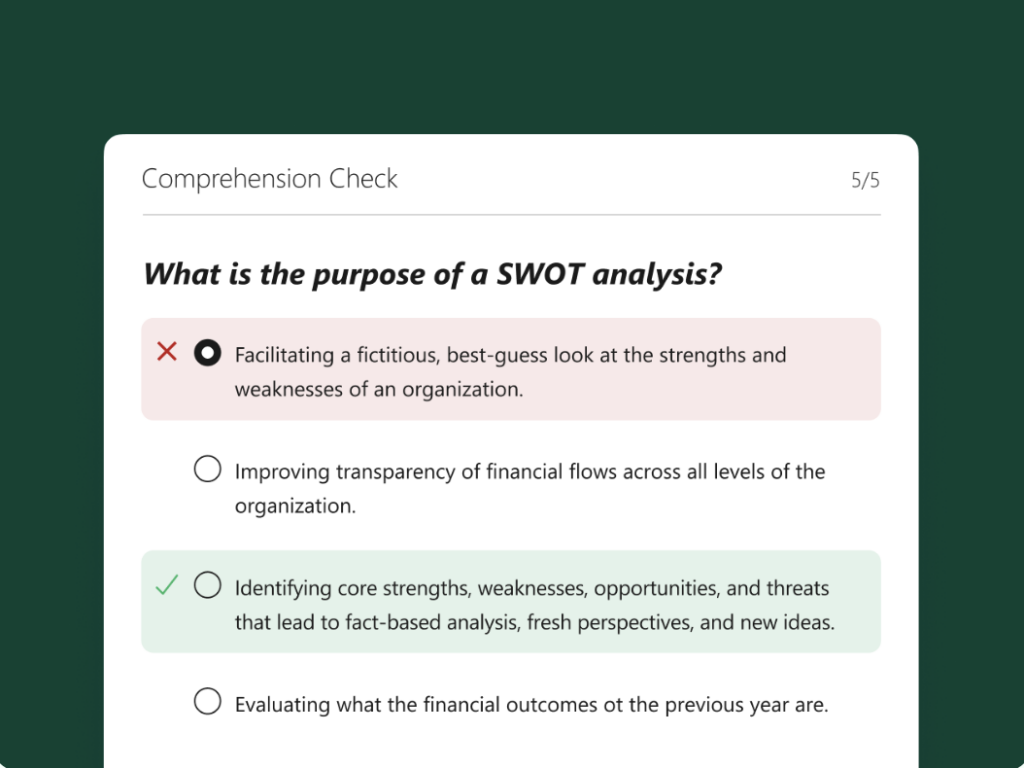
Panopto doesn’t require institutions to change how they teach or learn, it fits into existing workflows and acts as an embedded layer that enhances both engagement and efficacy, enabling a continuous flow of knowledge across systems.
Tell us about your area of expertise and how your knowledge or work enhances the field or the edtech industry?
My background sits at the intersection of product, enterprise technology, and education, with more than 30 years spent building and scaling platforms across organizations like Ellucian, McGraw-Hill, and Hawkes Learning.
A large part of my career has focused on how to take complex technology, whether that’s AI, data systems, or large-scale platforms, and translate it into something that improves learning outcomes in higher education. At Panopto, that translates into a strong emphasis on how technology fits into the academic workflow. If a solution doesn’t integrate seamlessly into that ecosystem, adoption becomes a challenge.
With AI, I take a very practical approach. There’s a lot of focus on adoption right now, but the real question is impact. In higher education, that means asking: Does this improve student understanding? Does it reduce friction for faculty? Does it support better outcomes? If the answer isn’t clear or measurable, then the technology isn’t fully delivering on its promise. AI should serve a defined need and support the human on the other side, not introduce unnecessary complexity or replace critical judgement.
Explain a problem in running an edtech company or selling products or providing service in the space that is related to the work you do?
Institutions are generating an enormous amount of content, lectures, recordings, supplemental materials, but students often struggle to find and engage with the specific information they need right when they need it. This creates a disconnect between access and outcomes.
At the same time, there’s increasing pressure on institutions to adopt AI, but the effectiveness of these tools depends heavily on the quality and source of the underlying content. Many AI solutions pull from broad, unvetted information and the open internet, whereas institutions need AI that is grounded in their own codified knowledge, trusted academic materials, lectures, and institutional content, to ensure accuracy, relevance, and academic integrity. But there’s often a gap between adoption and measurable impact, largely because success isn’t always clearly defined or tracked.
Another key challenge is ensuring that technology fits naturally into existing academic workflows. Faculty don’t have time to learn entirely new systems, and students expect seamless, intuitive experiences. If a tool introduces friction, it risks being underutilized regardless of its capabilities.
What are 3-5 specific tips to solving that problem?
1. Embed technology into the LMS and existing workflows
In higher education, the LMS is central. Tools need to integrate seamlessly so faculty and students can use them without changing how they teach or learn. Adoption depends on meeting users where they already are.
2. Focus on findability and usability of content
It’s not enough to record lectures, students need to be able to search, navigate, and engage with specific moments that matter to their learning, turning content from something static into something interactive and actionable.
3. Define and measure outcomes early
Before implementing new technology, institutions should clearly define what success looks like, whether that’s improved comprehension, retention, or engagement, and ensure those outcomes can be measured over time. If impact isn’t measurable, it’s difficult to validate the value of investment.
4. Use AI to reduce friction, not add complexity
AI can be powerful in areas like summarization, search, and accessibility, but it should feel invisible to the user. Most importantly, AI should leverage information from the institution’s own codified knowledge to align with its pedagogy. If it disrupts the learning experience, it’s not adding value.
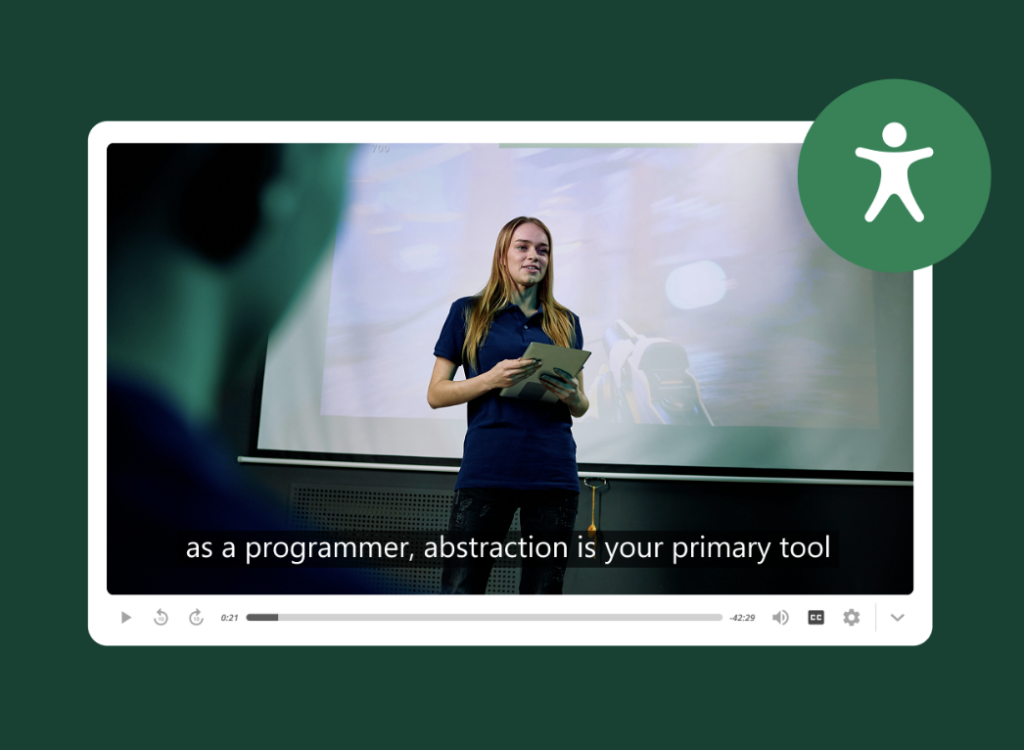
5. Prioritize accessibility and flexibility
Students today have diverse needs, schedules, and learning preferences. Technology should support on-demand, inclusive access to content to ensure all learners can engage effectively.
What other advice do you have for professionals working in edtech?
Stay focused on the learner experience.
There’s a lot of momentum around new technologies, particularly AI, but it’s important to stay grounded in the core goal of higher education: helping students learn effectively and succeed.
That means designing solutions that reduce cognitive load, improve access to information, and support different learning styles.
At the same time, organizations should apply rigor when evaluating new technologies, especially AI. It’s not enough for tools to be innovative; they must be effective, responsible, and aligned with how institutions actually teach and operate. A strong framework includes: ensuring pedagogical efficacy and measurable learning outcomes; augmenting, not replacing, faculty; supporting equity and accessibility through standards like WCAG and multilingual capabilities; maintaining strict privacy and data governance, including FERPA compliance; integrating seamlessly with existing systems while remaining cost-effective; providing transparency into how recommendations are made; and demonstrating long-term vendor viability and a strong user community.
Ultimately, the most successful edtech solutions are the ones that fade into the background. When technology becomes intuitive enough that students and faculty don’t have to think about it, that’s when it’s truly supporting learning at scale.