
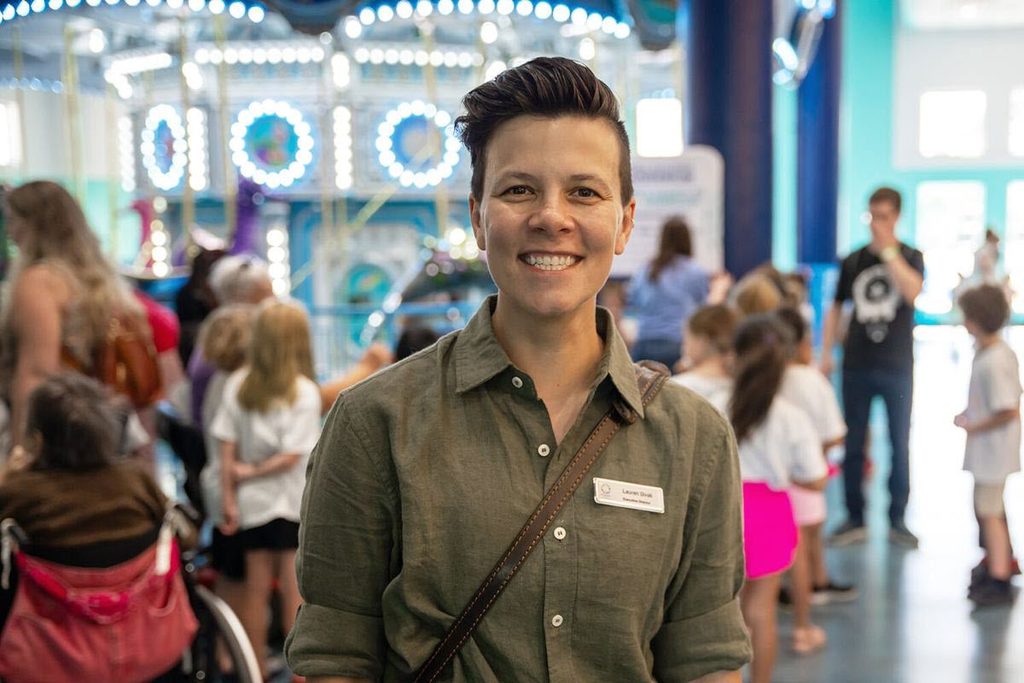
Prior to joining the Opp Project in September 2023, Lauren (she/her) served as the Managing Director of 2nd Story, one of Chicago’s oldest storytelling collectives. During her time in Chicago, Lauren drove education initiatives as the Vice President of Education at the North River Commission, was the Local School Council Community Representative at Albany Park Multicultural Academy, and served as the founding Chair of the Friends of Roosevelt High School, raising thousands of dollars for one of Chicago’s neighborhood high schools. Currently, she is a member of the Oklahoma Partnerships for Expanded Learning Steering Committee and volunteers monthly with the Food Bank of Eastern Oklahoma. Lauren earned a Bachelor’s in English Education and Theatre from Purdue University and a Master’s in Nonprofit Administration from North Park University.
Tell us about your company and the problem it solves, or its benefit to learners or educators.
At The Opp Project, we believe that young people succeed and our communities thrive when we invest in expanded learning opportunities. Expanded learning is more than something to do before and after school. It is where young people discover what they enjoy, what they are good at, and what might be possible for their future. Through initiatives like Tulsa EnrichED and Pathways to Autonomy, we create new pipelines for youth to explore their interests, engage in hands-on learning, connect with careers, and imagine what comes next.
Tell us about your area of expertise and how your knowledge or work enhances the field or the edtech industry.
Founded in 2017, The Opp Project began with a simple belief: young people thrive when they have access to meaningful opportunities beyond the school day. Today, The Opp is more than a youth-serving organization. We are a systems builder, working across schools, community organizations, philanthropy, government, and industry to create the infrastructure needed to expand access to high-quality out-of-school time opportunities for young people.
Explain a problem in running an edtech company or selling products or providing service in the space that is related to the work you do.
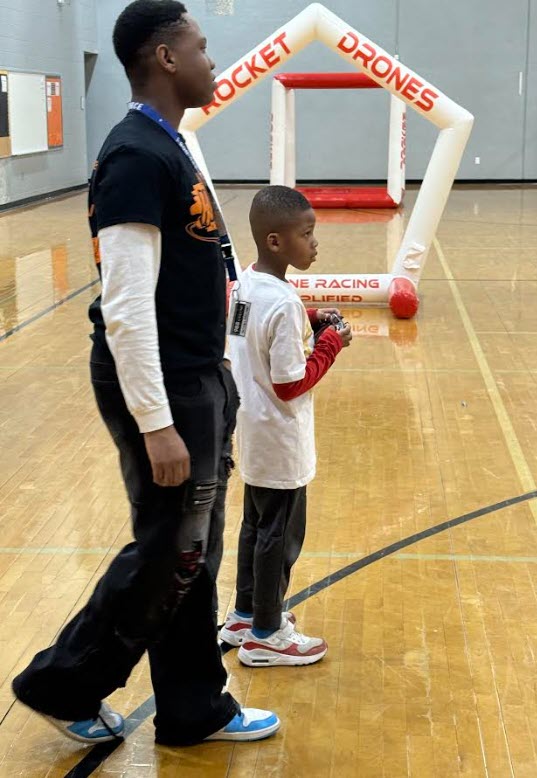
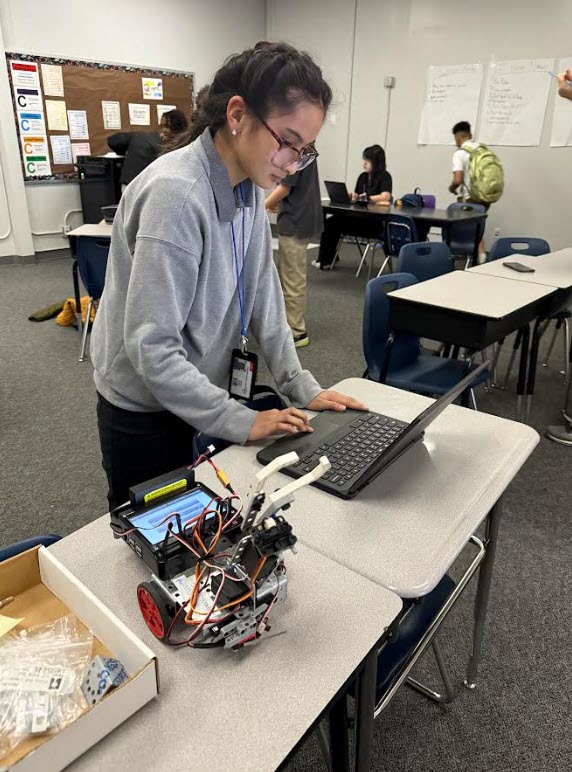
To ensure the innovation workforce of tomorrow is prepared, we must engage young people in classrooms today. In collaboration with partners like Google, PartnerTulsa, and Tulsa Innovation Labs, we are building a K–12 STEM continuum that provides students with hands-on experiences in robotics, coding, drones, 3D printing, aerospace, and other technology-focused areas during out-of-school time. Pathways to Autonomy is proving that cross-sector collaboration is essential for building a pipeline for Tulsa’s workforce. In its second year, the initiative is supporting 64 clubs across 32 schools, including 14 new schools, while strengthening feeder-pattern connections and increasing access to STEM experiences for hundreds of youth across Tulsa. Access to these experiences means they will be better prepared for tomorrow’s opportunities.
To ensure the innovation workforce of tomorrow is prepared, we must engage young people in classrooms today.

To ensure the innovation workforce of tomorrow is prepared, we must engage young people in classrooms today. In collaboration with partners like Google, PartnerTulsa, and Tulsa Innovation Labs, we are building a K–12 STEM continuum that provides students with hands-on experiences in robotics, coding, drones, 3D printing, aerospace, and other technology-focused areas during out-of-school time. Pathways to Autonomy is proving that cross-sector collaboration is essential for building a pipeline for Tulsa’s workforce. In its second year, the initiative is supporting 64 clubs across 32 schools, including 14 new schools, while strengthening feeder-pattern connections and increasing access to STEM experiences for hundreds of youth across Tulsa. Access to these experiences means they will be better prepared for tomorrow’s opportunities.
What are 3–5 specific tips to solving that problem?
1. Workforce development does not begin when a young person gets their first job; it begins when they can see themselves in a career and understand how to get there.
2. Don’t go it alone; no single entity can prepare tomorrow’s workforce and cross-sector collaboration leads to the best results.
3. Be realistic about timelines; tackling the challenge of workforce readiness is a marathon, not a sprint.
What other advice do you have for professionals working in edtech?
We have an opportunity to make career-connected learning a more consistent part of the expanded learning landscape by connecting young people’s curiosity with the industries and careers that drive local economies. My advice: expand access to hands-on experiences, embed literacy and communication skills into enrichment, and build stronger partnerships between youth-serving organizations, educators, and local employers.